

Hand-blended wood care, made in Cape Town
Food-safe waxes, oils and finishes blended in small batches from honest ingredients — beeswax, food-grade mineral oil and carnauba. Keep your boards, bowls and tools looking loved.
Sold exclusively at Power Tool Services
100% Natural IngredientsFood-Safe FinishNourishes & ProtectsMade for WoodHandcrafted in Small Batches
Honest ingredients
Beeswax, food-grade mineral oil and carnauba. No solvents, no aromatic hydrocarbons.
Small batches
Hand-blended in small batches so every jar is fresh and consistent.
Made in Cape Town
Proudly blended and packed locally for South African kitchens and workshops.
Kitchen favourites
View all products →
Premium Board Conditioner
100ml bottle
Mineral oil with jojoba for end-grain boards.
Coming soon
DetailsComing soon
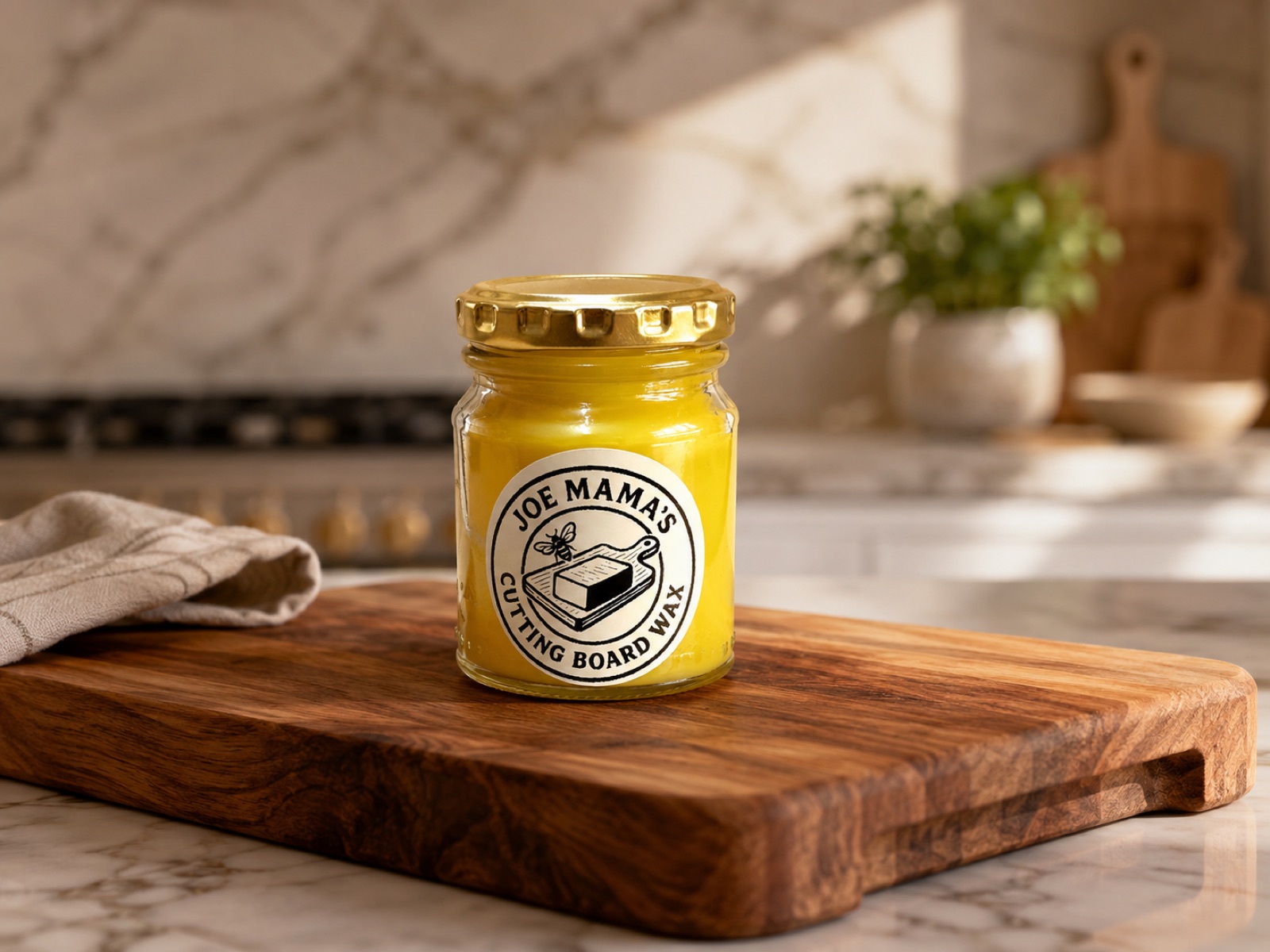
Made for everyday wood
Keep your kitchen looking loved
Food-safe waxes and oils that bring tired boards, bowls and butcher blocks back to life — and keep them protected.
Shop the rangeWood care guides
All guides →How to season and care for a wooden cutting board
A simple, food-safe routine for sealing, conditioning and maintaining wooden cutting boards and butcher blocks so they last for years.
Read guide →Cutting board oil vs wax: which one do you need?
Oil, wax or both? How food-grade mineral oil, beeswax and jojoba each protect wood — and when to reach for which.
Read guide →How to care for salad bowls and wooden utensils
Keep salad bowls, spoons and turned woodware nourished and water-resistant — without darkening light-coloured woods.
Read guide →How to protect tools and cast iron from rust
A workshop routine using a hard beeswax paste to stop rust on table saws, plane soles, chisels and cast iron — and help timber glide.
Read guide →Frequently asked questions
All FAQs →Is Joe Mama’s wood care food-safe?
Yes. Every kitchen product is made from food-grade ingredients listed for food-contact use — food-grade white mineral oil (FDA 21 CFR 178.3620(a)) and beeswax (FDA 21 CFR 184.1973). Once you have buffed off the excess, the finish is non-toxic and safe for surfaces that touch food. The one exception is our Tool & Cast-Iron Wax, which is a workshop product and is NOT food-safe.
What is Joe Mama’s wood care made from?
Honest, simple ingredients: beeswax, food-grade white mineral oil, carnauba and jojoba — depending on the product. There are no solvents, turpentine or aromatic hydrocarbons. Everything is hand-blended in small batches in Cape Town.
How often should I treat my cutting board?
For oils, re-apply weekly for the first month on a new board, then monthly or whenever the wood looks dry. For waxes and finishes, re-apply whenever the wood looks dry or water no longer beads on the surface. Boards that are washed often need treating more frequently.
Should I use cutting board oil or wax?
Oil penetrates deep to rehydrate thirsty timber and is ideal for regular maintenance and new or very dry boards. Wax sits on the surface to seal in that moisture and add water resistance. Many people use both: oil first to feed the wood, then wax to seal it.
Looking after wood the honest way
From cutting boards and salad bowls to hand tools and cast iron — there's a Joe Mama's blend for it.
See the full range